A Shenzhen Miracle from the Ground Up
Prof. LI Ming: Founding Director of UNESCO-ICHEI, Secretary-General of IIOE Secretariat

We have often described the birth of UNESCO-ICHEI as creating something from nothing. Looking back, though, its emergence in Shenzhen feels less like chance than the meeting of a particular moment, a particular city, and a particular group of people.
The story began in February 2014, with a visit to the Ministry of Education in Beijing. Mr. XU Qin, then Mayor of Shenzhen, Ms. GUO Yurong, then Director-General of the Shenzhen Education Bureau, and I, then Chairperson of the Southern University of Science and Technology (SUSTech) — had travelled there to discuss the development of higher education in the city. In the course of the conversation, Mr. HAO Ping, then Vice Minister of Education and President of the 37th UNESCO General Conference, turned to Mayor XU with a thought: if Shenzhen was serious about internationalisation, might it consider establishing a UNESCO Category 2 Centre?
The Mayor did not hesitate. Shenzhen, he said, was exactly the kind of city that needed one. I volunteered on the spot, and it was agreed that the preparatory work would be taken forward through SUSTech, with me at the helm.
The Shenzhen Municipal Government: Full Commitment
Shenzhen Government took the lead in advancing the establishment of a UNESCO Category 2 Centre in the city. Mayor XU chaired multiple preparatory meetings, while Ms. WU Yihuan, then Vice Mayor, remained closely involved throughout the process. Repeated discussions were held on matters ranging from the institution's name and institutional nature to its office location and funding arrangements, with solutions sought step by step whenever difficulties arose.
Mr. LIU Qingsheng, then Executive Vice Mayor, also paid close attention to the institution's financial foundations, approving and coordinating the allocation of operational funding. As the institution's work gradually took shape and its impact began to emerge, the municipal government's support continued to grow accordingly.
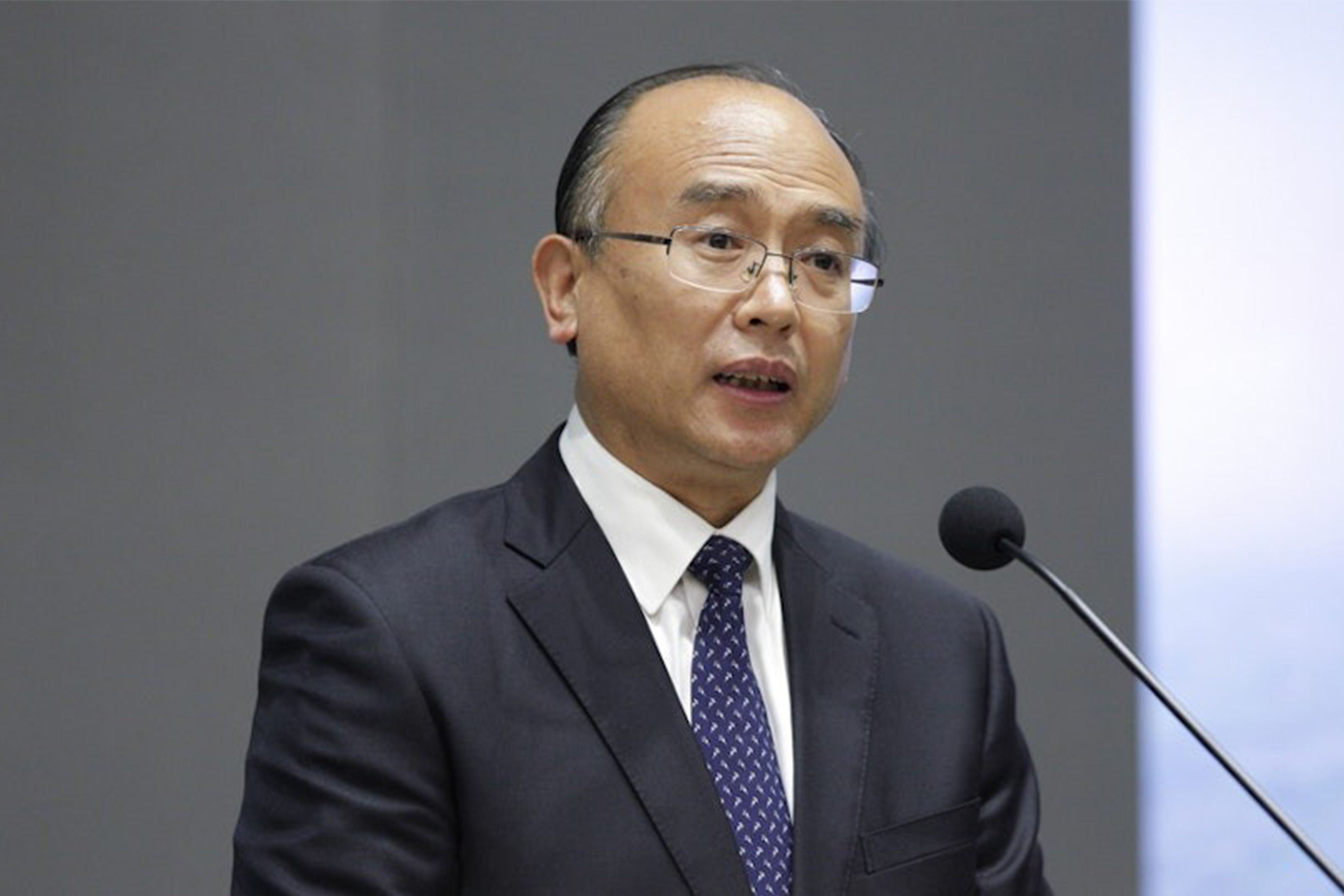
Mr. XU Qin, then Mayor of Shenzhen
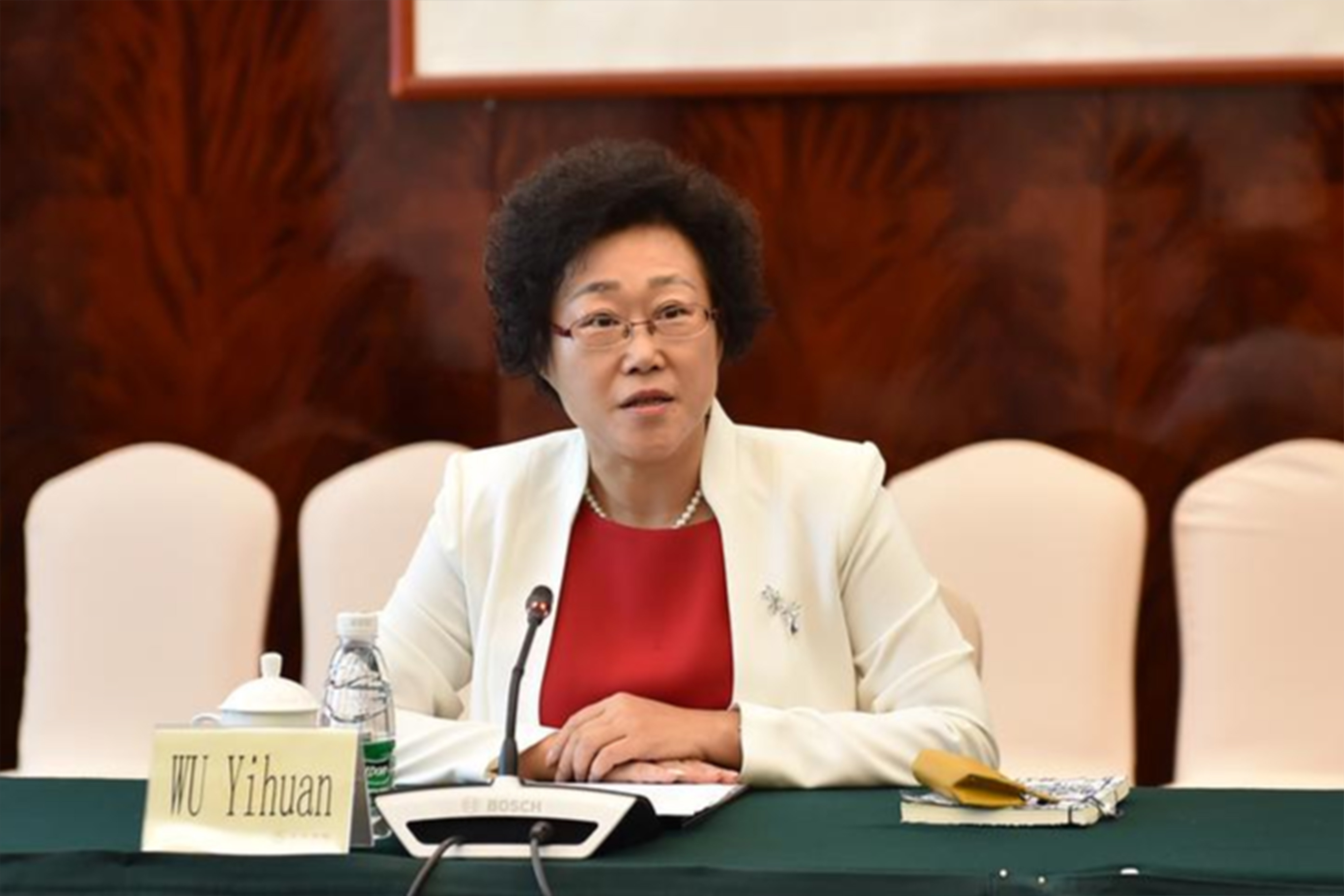
Ms. WU Yihuan, then Vice Mayor of Shenzhen
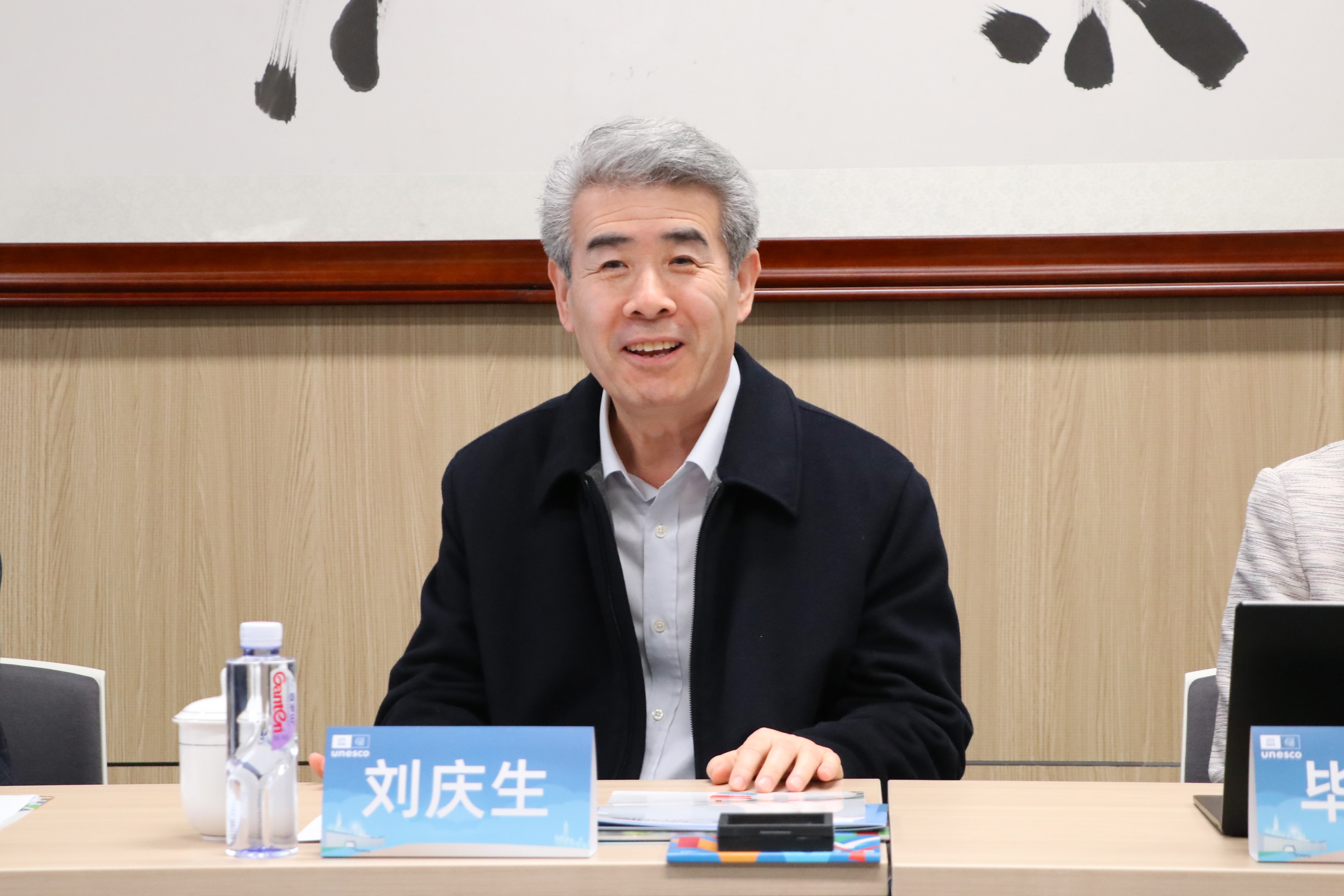
Mr. LIU Qingsheng, then Executive Vice Mayor of Shenzhen
"What Exactly Did You Want This Institution to Do?"
Of all the people who shaped the early course of UNESCO-ICHEI, Mr. TANG Qian, then UNESCO's ADG for Education, was among the most important.
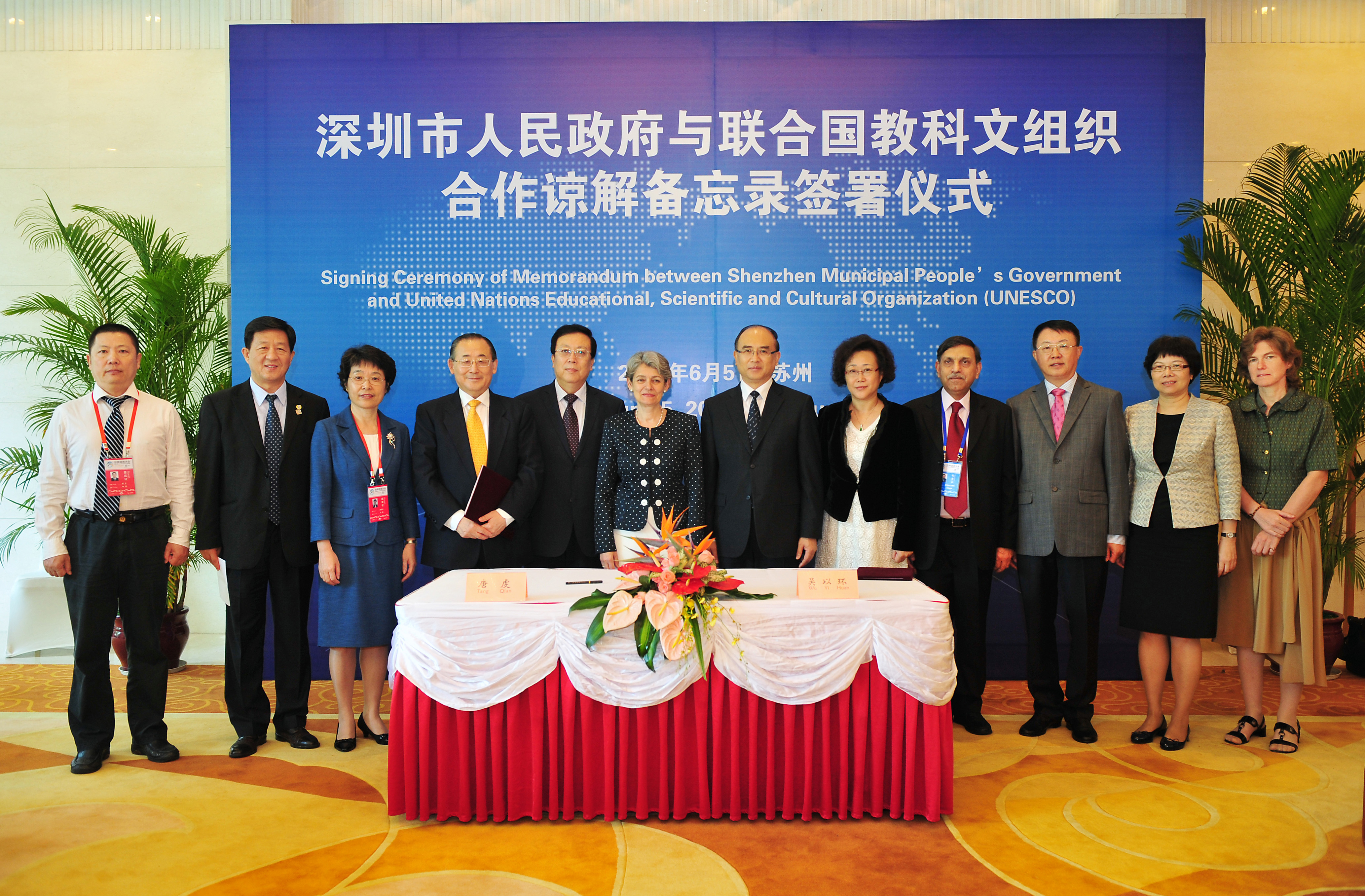
On 5 June 2014, the signing ceremony of the Memorandum between the Shenzhen Municipal People's Government and UNESCO was held
I still remember Suzhou in June 2014. UNESCO was hosting the International Conference on Language, and it was there that the Shenzhen Municipal Government and UNESCO had agreed to hold formal talks and sign a Memorandum of Understanding on the proposed institution. Mayor XU led the Shenzhen delegation; alongside him were Ms. WU Yihuan, Ms. GUO Yurong, myself, and colleagues from the municipal departments. UNESCO was represented by DG Ms. Irina Bokova, ADG Mr. TANG, and other senior officials. The agreement signed that afternoon was modest in appearance, a few pages, a set of signatures, but it marked the first real step towards bringing the institution into existence.
After the signing, ADG pulled me aside with a single question: what, exactly, was this new institution meant to do?
It was a fair question. We were still in the early stages of planning, and much remained undefined. I told him what I believed: Shenzhen had grown into one of the great symbols of China's reform and opening-up, and its advances in high technology, particularly in information and communication technology (ICT), were real and considerable. If it could draw on those strengths to help bring digital capabilities to developing countries, that, I thought, could become its most meaningful purpose. He listened, then smiled: "That's exactly it — precisely what UNESCO needs to advance the SDGs."
He went on to offer a number of practical suggestions drawn from his own experience. Over the months that followed, Ms. HAN Wei, then Director of Human Resources at SUSTech, Mr. LU Chun, then Director of International Cooperation, and I made several trips to Paris to continue discussions with Mr. TANG Qian and colleagues from UNESCO's higher education division. We worked through the institution's positioning, functions, and the purpose and oversight of what would become the UNESCO-Shenzhen Funds-in-Trust (SFIT) Project.
Throughout it all, ADG Mr. TANG brought to the table a quality that made the whole process possible: genuine openness. He engaged with flexibility and goodwill, helped both sides work through difficult questions, and steered the negotiations towards an agreement on the founding charter. A collaboration between an international organisation and a Chinese municipal government is not a simple thing to arrange. That it moved forward as smoothly as it did owed a great deal to him.
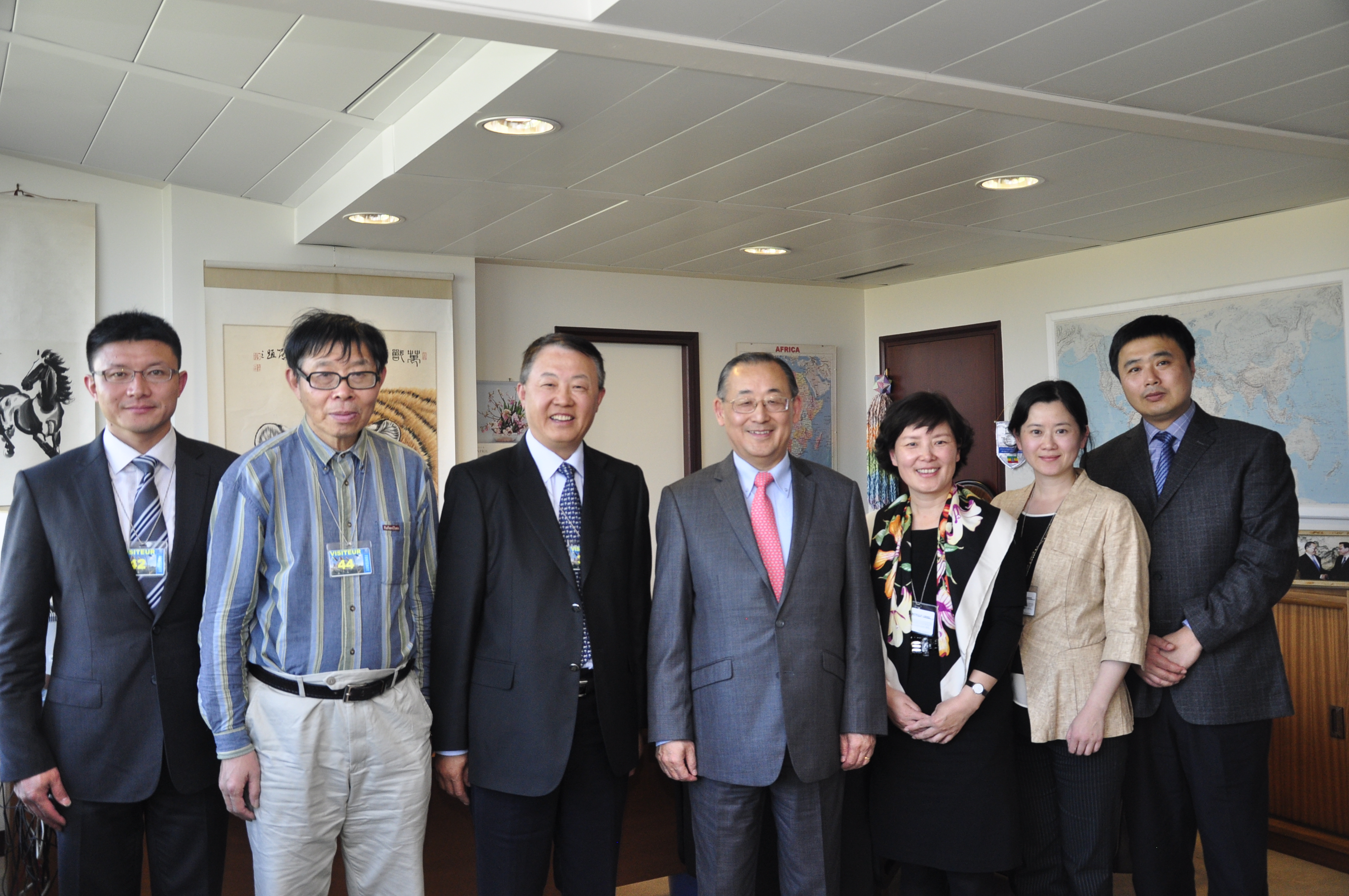
In April 2015, the SUSTech delegation visited UNESCO Headquarters
In May 2015, UNESCO convened the International Conference on ICT and Post‑2015 Education in Qingdao. It was there, under witness of Mr. HAO Ping, that Vice Mayor Ms. WU Yihuan and ADG signed the Framework Agreement of Trust Fund.
Looking back, the two UNESCO gatherings, the signing of the MoU in Suzhou in 2014 and the Framework Agreement of Funds-in-Trust in Qingdao a year laterm gradually turned an initial idea into something more tangible. What had once existed only in discussion and planning was beginning to take institutional form.
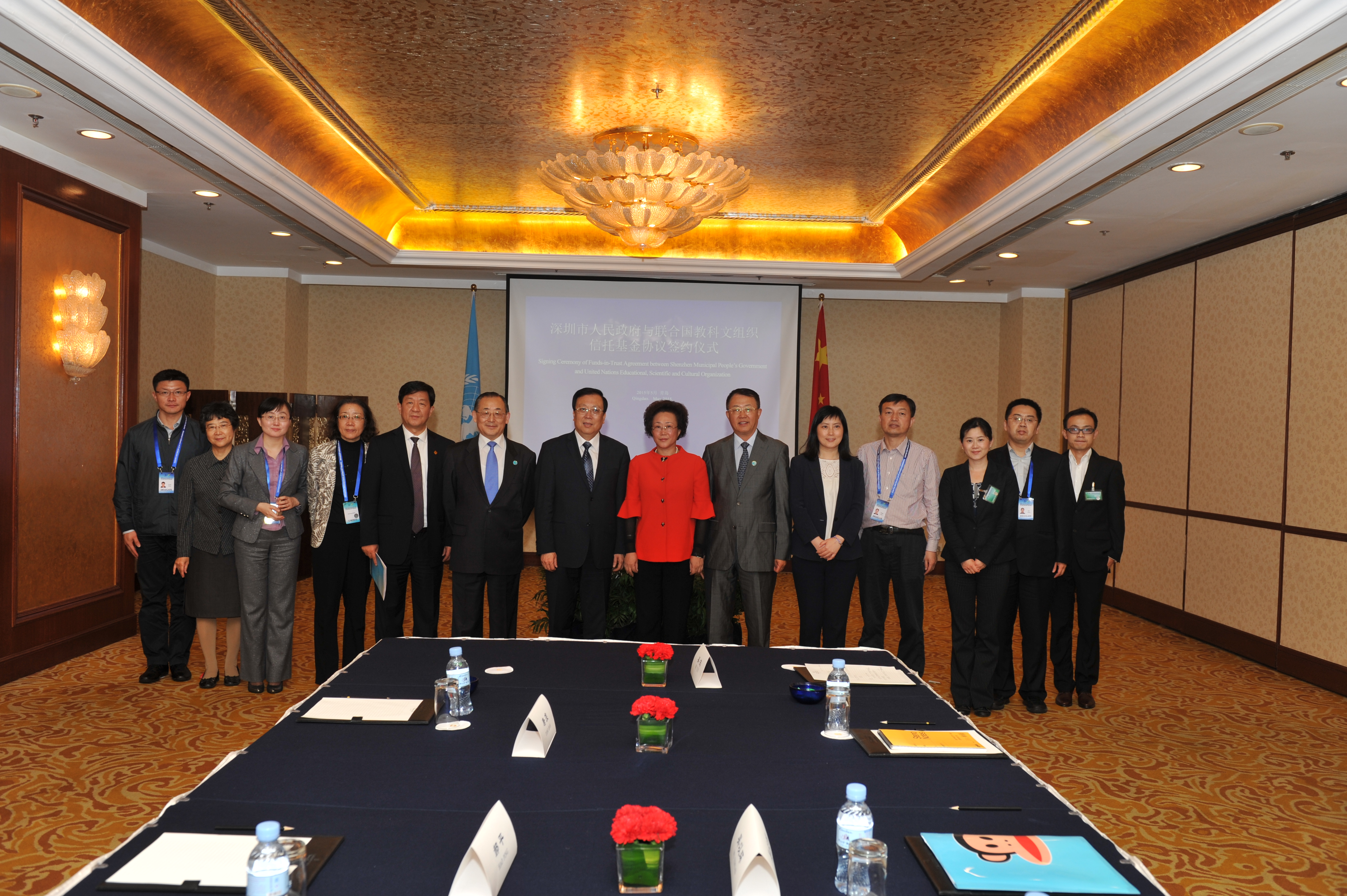
On 23 May 2015, the Shenzhen Municipal Government and UNESCO signed the Trust Fund Agreement in Qingdao
Then, on 13 November, 2015, UNESCO's 38th General Conference formally approved the establishment in Shenzhen, China, of the International Centre for Higher Education Innovation under the auspices of UNESCO.

On 13 November 2015, the 38th Session of the UNESCO General Conference approved the establishment of the Category 2 Centre, International Centre for Higher Education Innovation under the auspices of UNESCO, in Shenzhen, China
Throughout the establishment of UNESCO-ICHEI, the Secretariat of the National Commission of the People's Republic of China for UNESCO provided us with patient and meticulous guidance. Mr. DU Yue, Secretary-General of the Secretariat of the National Commission of the People's Republic of China for UNESCO at the time, took on much of the painstaking coordination work that such an undertaking requires, the back-andforth between Shenzhen and Paris, the careful management of processes that span different institutions and systems. He visited Shenzhen on several occasions, each time arriving with clear thinking and practical guidance.
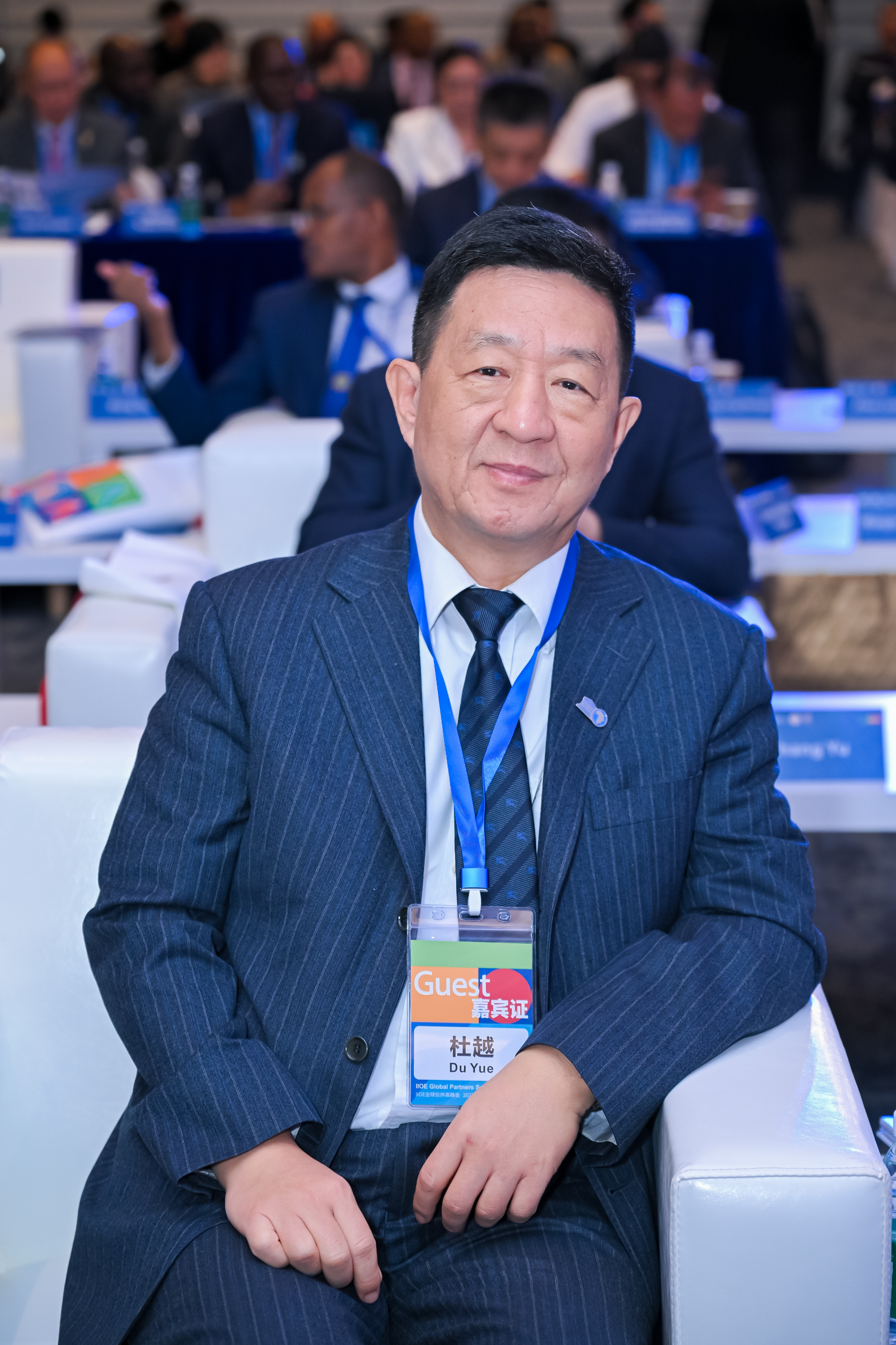
Mr. DU Yue, Secretary-General of the Secretariat of the National Commission of the People's Republic of China for UNESCO at the time
It was Mr. DU who introduced us to the UNESCO International Research and Training Centre for Rural Education (INRULED) in Beijing, a Category 2 Centre that had been through the very process we were attempting. Its then Director, Mr. WANG Li, shared with us, without reservation, the full set of documents and institutional rules that governed the Centre's operation. For a team feeling its way through unfamiliar terrain, that bundle of paper was worth more than we could easily say. We have not forgotten the generosity.
After UNESCO-ICHEI was formally approved, its first Governing Board meeting was convened in November 2016. Around the same time, UNESCO DG Ms. Irina Bokova was due to visit China for the High-Level Forum on Museums. Recognising a rare opportunity, Mr. DU worked tirelessly behind the scenes to arrange for her to visit ICHEI and attend the Governing Board meeting.
For a Category 2 Centre that had only just come into existence, having the UNESCO DG present at its very first Governing Board meeting was, by any measure, extraordinary. Institutions spend years working towards that kind of recognition. We had it from the start.
DG's presence not only drew international attention to the institution, but also quietly helped define its starting point and sense of purpose within the wider UNESCO family.
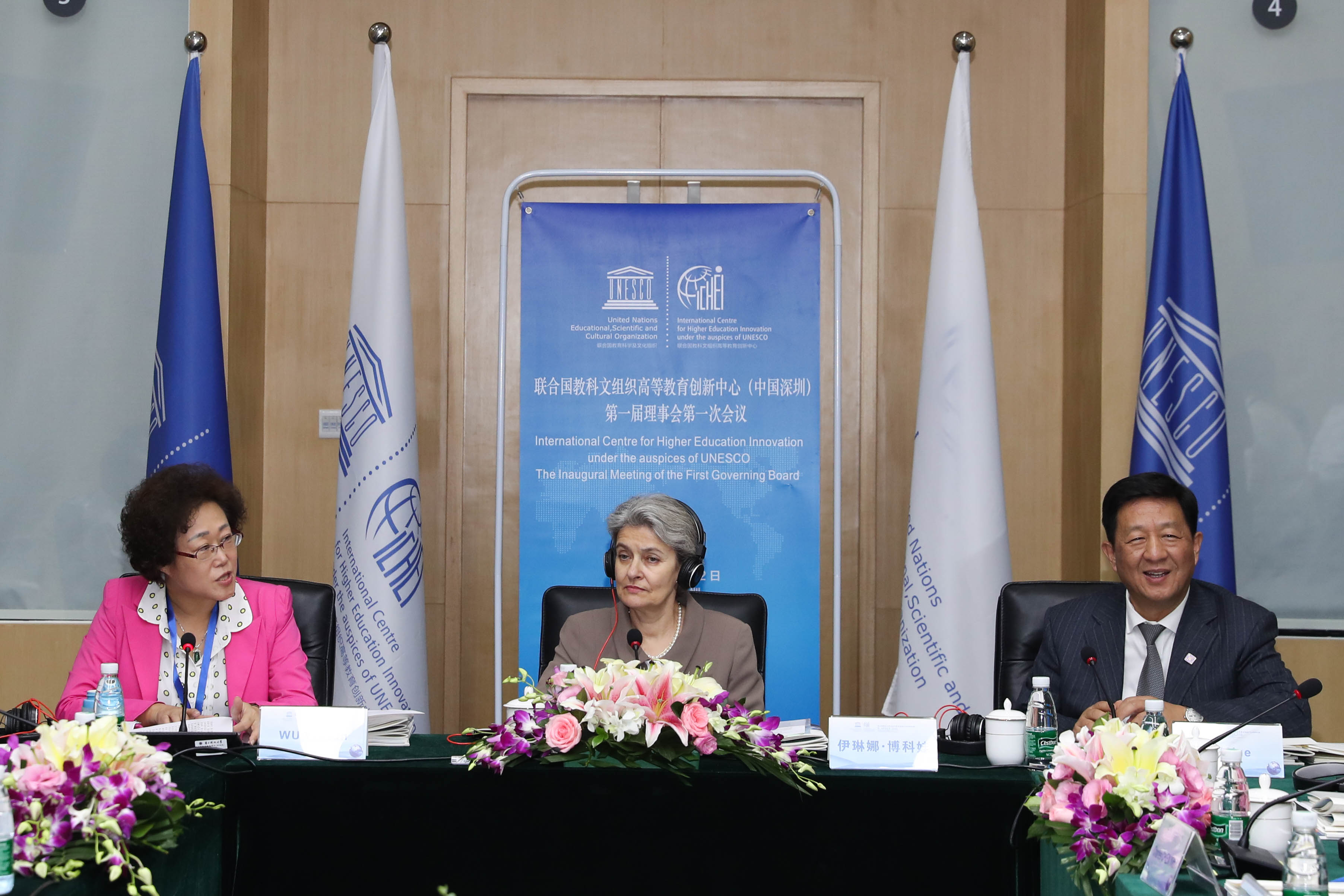
On 12 November 2016, Mr. DU Yue coordinated Ms. Irina Bokova to attend the first Governing Board meeting
Southern University of Science and Technology: A Place to Call Home
Every institution needs somewhere to put down roots. For UNESCO-ICHEI, that place was SUSTech.
From the earliest days of the preparatory work, SUSTech committed itself fully to the institution's establishment. Mr. CHEN Shiyi, then University President, and I, then Chairperson, worked together to provide whatever the institution needed at the institutional level. In May 2015, the University formally established the Centre for Higher Education Research to provide an academic home for the work. President CHEN Shiyi presented me with the appointment letter as its Director; I in turn invited Professors Ms. HAN Wei and Mr. ZHAO Jianhua to serve as Deputy Directors. Ms. HAN went on to become Executive Deputy Director of ICHEI itself, becoming a close and indispensable colleague in the years that followed.

In May 2015, the Centre for Higher Education Research was established, and CHEN Shiyi presented a certificate to LI Ming
The University provided office space, facilities, and the kind of quiet, practical support that rarely makes it into official records but without which nothing would have functioned. Mr. LU Chun, then Vice President of SUSTech and concurrently Deputy Director of ICHEI, worked tirelessly to resolve the many logistical challenges that arose along the way.
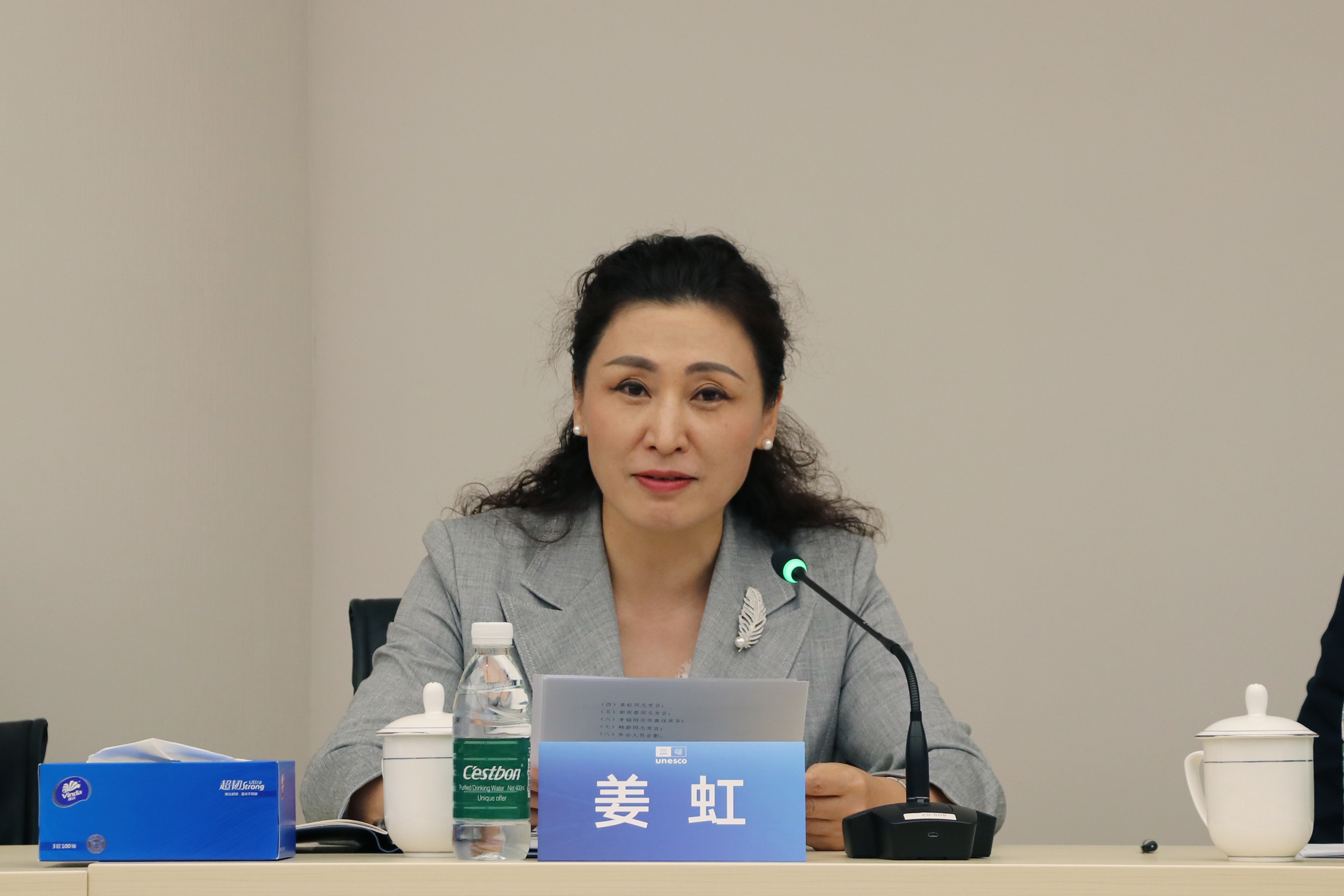
Ms. JIANG Hong, Chairperson of SUSTech
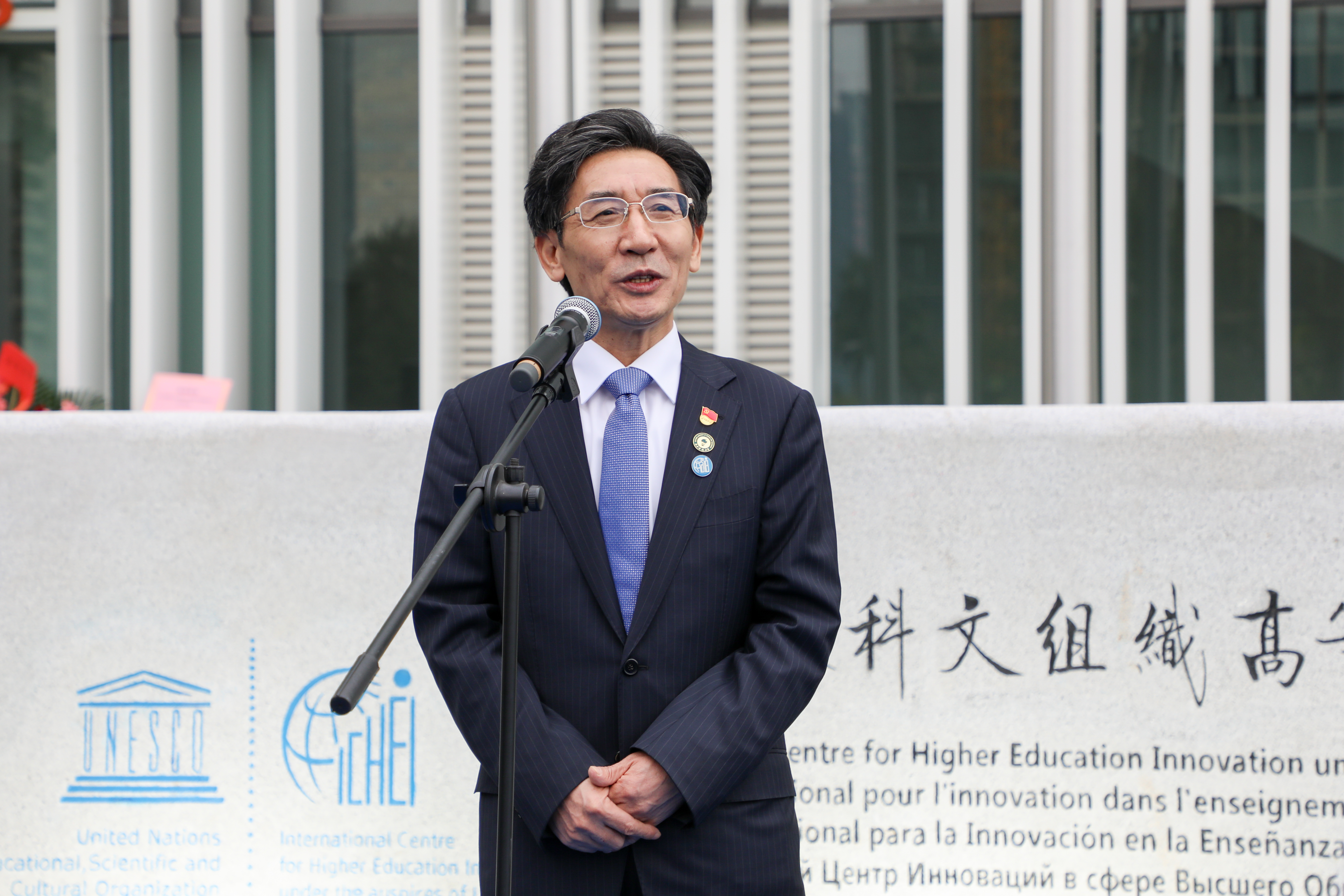
Mr. XUE Qikun, President of SUSTech
Over the years, it was the consistency of that support. Leadership at SUSTech changed, as it does — Ms. GUO Yurong, Mr. LI Fengliang, Ms. JIANG Hong, as successive Chairpersons; Mr. XUE Qikun as President, and Mr. ZHANG Ling — but the interest in the institution's work never wavered. Each of them understood, in their own way, what UNESCO-ICHEI could mean: for SUSTech's own international standing, and for the broader mission of helping universities across the Global South navigate the challenge of digital transformation.
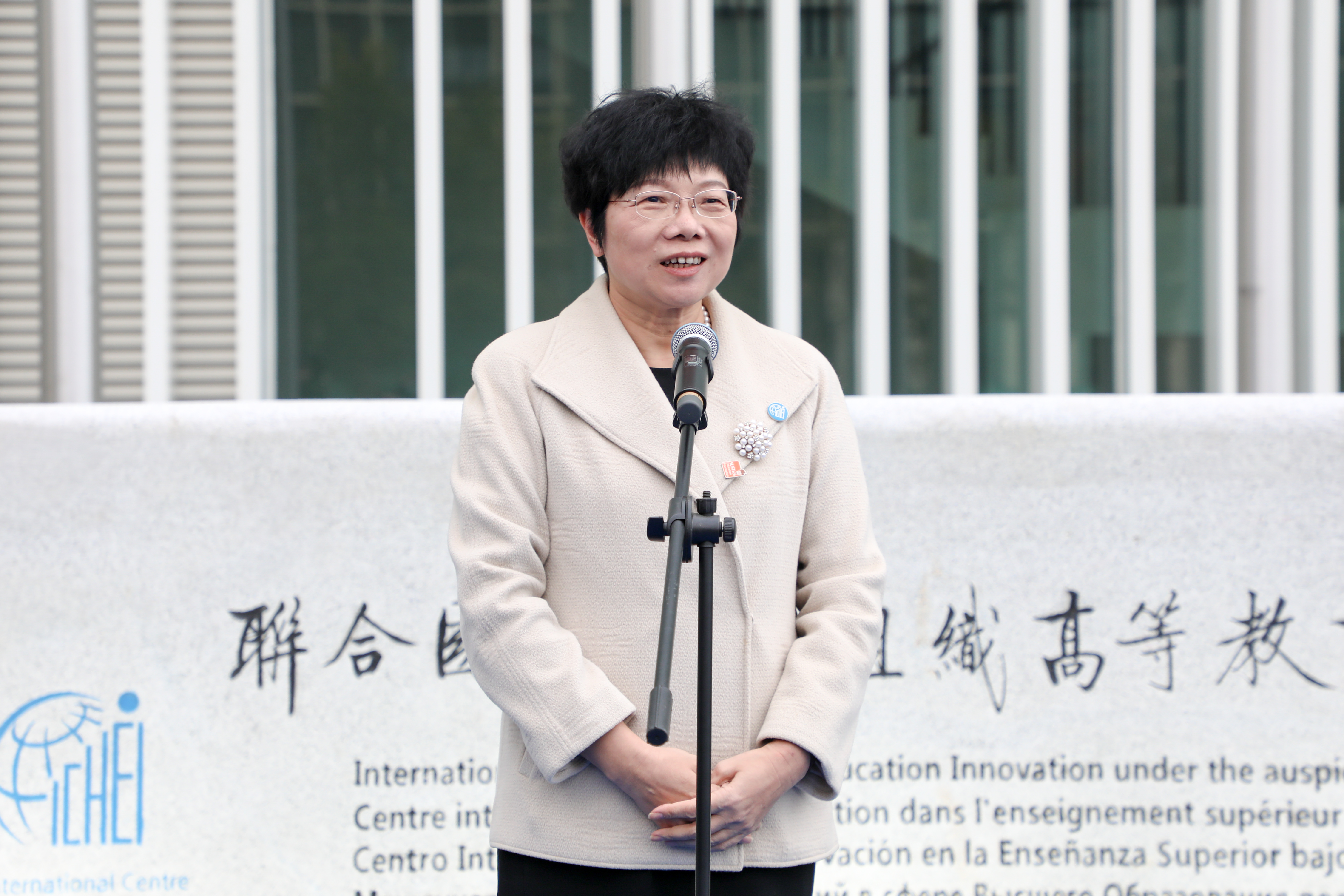
Ms. GUO Yurong, then Chairperson of SUSTech
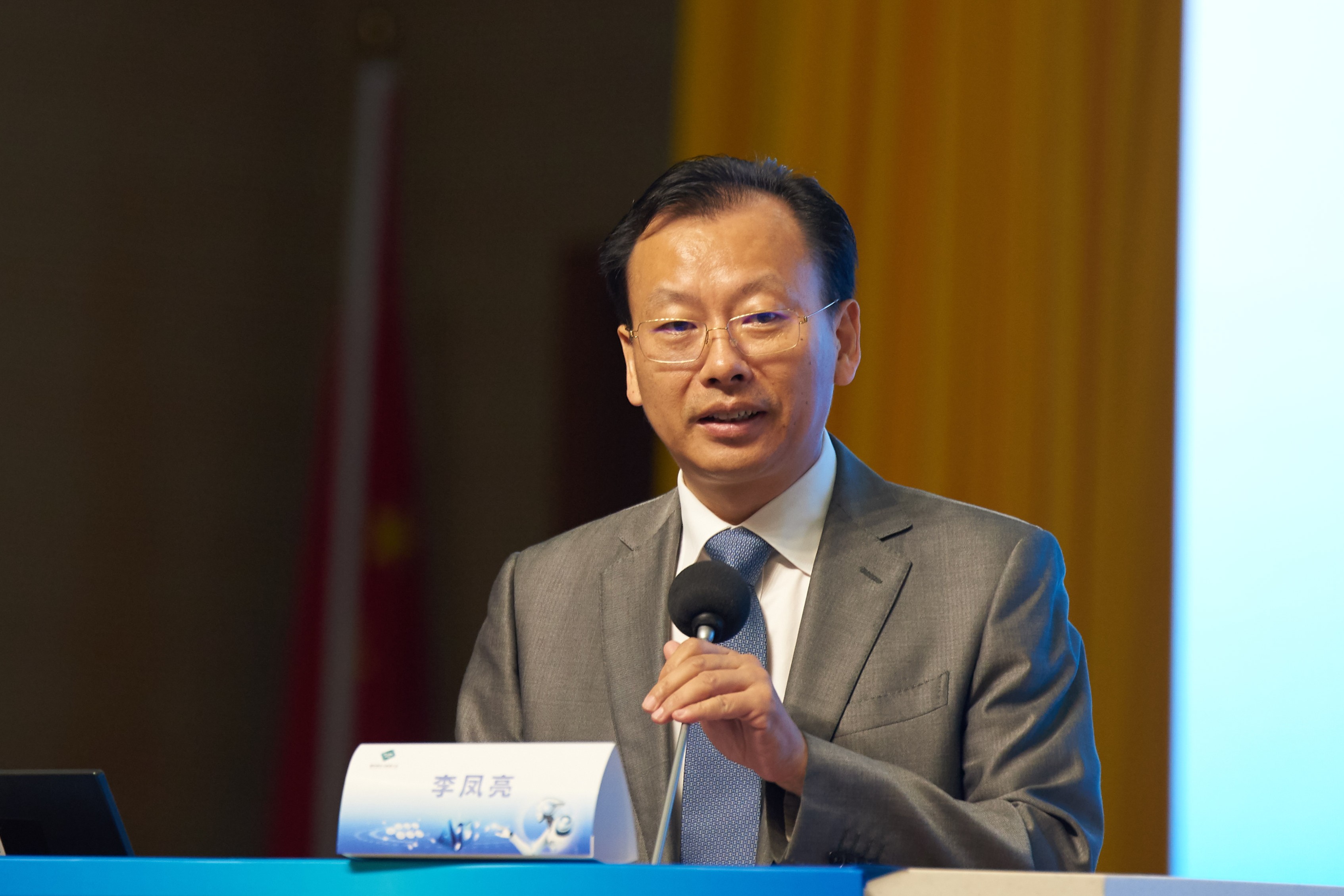
Mr. LI Fengliang, then Chairperson of SUSTech
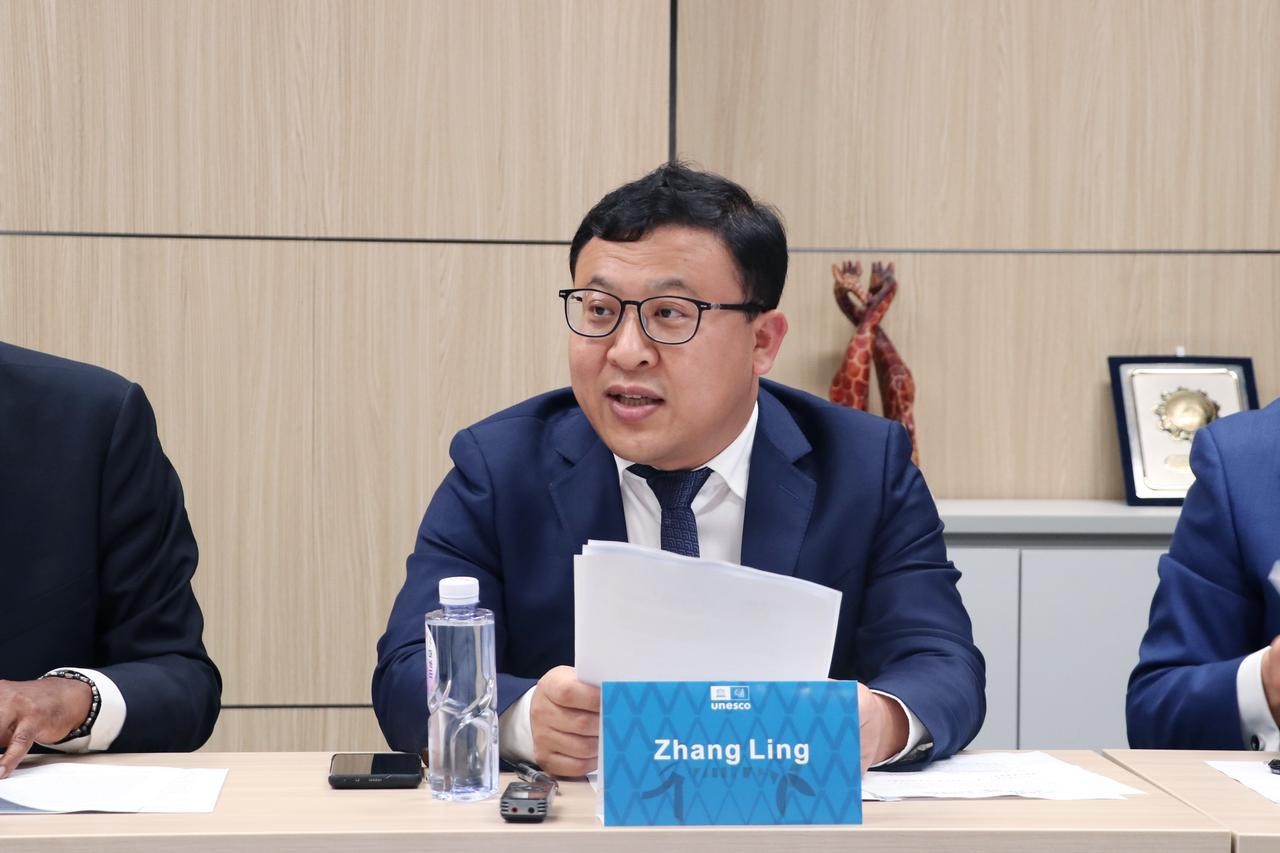
Vice Chairperson of SUSTech
The Preparatory Team: Work Done Quietly
Behind every institution that comes into being, there is a period of unglamorous work, including the drafting, the filing, the careful preparation of documents that may never be read by anyone outside a committee room. For UNESCO-ICHEI, that work fell to a dedicated group of colleagues who gave it their full attention.
In the early stages, we invited Professors QIANG Haiyan and JIANG Kaijun to lead a team of younger colleagues through the painstaking task of assembling the preparatory documentation. It was meticulous, largely invisible work, and it mattered enormously.
In June 2015, several months before the UNESCO General Conference was due to consider the proposal, a three-person expert team arrived at SUSTech. They were led by Professor WANG Libing, then Chief of Section for Educational Innovations and Skills Development at UNESCO Asia and Pacific Regional Bureau for Education, and their purpose was to carry out an independent on-site assessment, which is a kind of quiet due diligence, conducted at arm's length from the applicant, that would inform UNESCO's decision on whether to proceed.
President CHEN presented the University's preparations in person. The team listened, asked their questions, and formed their own judgements. It was one of those moments where all one can do is trust that the work has been good enough, and wait.
The Launch of IIOE: Building Together, Sharing Together
In December 2019, UNESCO-ICHEI and a constellation of partners from across the world came together to launch the International Institute for Online Education (IIOE). 15 universities from 12 countries, 9 technology companies, and a shared conviction that digital education could reach further and mean more than it currently did. Mr. TANG Qian was there, as was Mr. QIN Changwei, then Secretary-General of the National Commission of PRC for UNESCO, Mr. CHEN Yidan, co-founder of the Tencent Charity Foundation, and Mr. Peter Wells, then Chief of the Higher Education Section at UNESCO. Tencent provided funding to help get the initiative off the ground.

Hands Extended
A number of corporate partners joined us at different stages of the journey. The Tencent Charity Foundation, the BYD Foundation, BGI Education, and the leadership of WEDON Education, including Chairman Mr. WANG Duanrui and Chief Executive Ms. LAN Haiqing, each offered support when it was needed. Companies contributed to the development of smart classroom facilities: WEDON, China Education Informatization Industry Alliance, MAXHUB, OS-easy, WenTech, and Dazzleview among them. Their involvement was practical and tangible, and it made a difference on the ground.

In December 2019, UNESCO-ICHEI, together with global partners, launched the IIOE
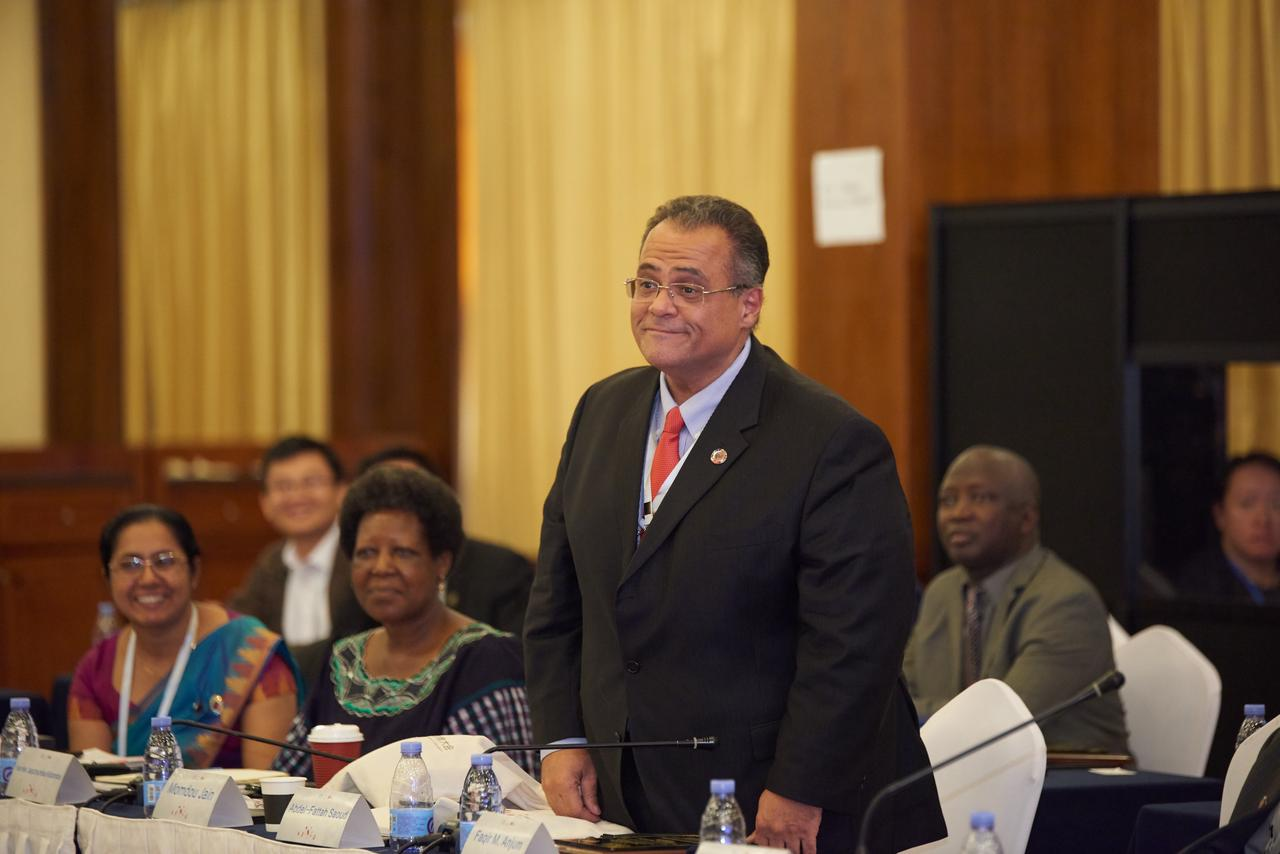
At the launch of the IIOE, the co-founding partners jointly designated Ain Shams University (Egypt) as the inaugural rotating Chair of the IIOE. Thereafter, the role of Chair rotated among different member institutions.
Others gave something harder to quantify. Mr. WANG Min was our first senior adviser on industry-academia collaboration, and he was there almost before ICHEI itself existed, guiding us through the early stages, and sitting patiently beside us as we worked through the details of partnership agreements that we had never negotiated before. Mr. SHEN Xiaoli offered invaluable guidance on external communications and played an important role in establishing and editing CLOUD, our flagship magazine. Mr. WANG Guobin, who once served as Deputy Director, brought to the role a depth of legal and administrative experience that proved indispensable across many areas of work.
A wider circle of academic advisers brought their expertise to bear as well, each contributing in their own field and in their own way. LIM Cher Ping, Chair Professor at the Education University of Hong Kong, joined the work of planning and developing IIOE from 2018, serving as its Chief Expert and investing considerable thought and energy into shaping the platform and its network. Grace Oakley, Associate Professor at the University of Western Australia, worked with us on building the quality assurance framework for the SFIT project. Paul Prinsloo, a researcher at the University of South Africa, supported the IIOE Pilot Project in Nigeria, focused on enabling policy and institutional conditions for digital teaching and learning. Charles Graham, Professor at Brigham Young University, contributed to the IIOE pilot in Mongolia, centred on innovative blended teaching practices for STEM educators.
Professors CHENG Jiangang and HAN Xibin, from Tsinghua University's Institute of Education, brought together a team of education technology specialists from China and abroad, and over the course of more than two years, worked alongside us to produce four significant knowledge outputs: a research report on the digital transformation of higher education teaching, and three practitioner handbooks, on blended learning reform, on teaching competence development for higher education faculty, and on teaching competence development for vocational education teachers.
Beyond individual advisers, several UNESCO regional offices and Category 1 centres became close partners. Under the leadership of Professor ZHAN Tao, then Director of UNESCO's Institute for Information Technologies in Education (UNESCO IITE), UNESCO IITE and ICHEI developed a sustained and substantive collaboration across multiple projects. Professor Shahbaz Khan, Director of UNESCO's Regional Office for East Asia, helped bring several joint initiatives to fruition.

On 8 December 2023, UNESCO-ICHEI convened the IAC Meeting
What Lay Behind It All
Looking back now, it is perhaps no coincidence that ICHEI took root in Shenzhen, a city long shaped by openness, experimentation and a willingness to venture into the unknown.
Above all, We owe our deepest gratitude to the Shenzhen Municipal Government, Southern University of Science and Technology, and the Chinese National Commission for UNESCO, whose guidance, trust and support made its establishment possible.
Ten years on, ICHEI has grown into an active and respected member of the UNESCO family in the field of digital transformation in higher education. Yet what remains most vivid in my memory are not the milestones themselves, but the people who extended a hand when everything still existed only in possibility.
UNESCO-ICHEI, in the past, today and in the years to come, will never forget those who walked alongside us at the very start of this journey!
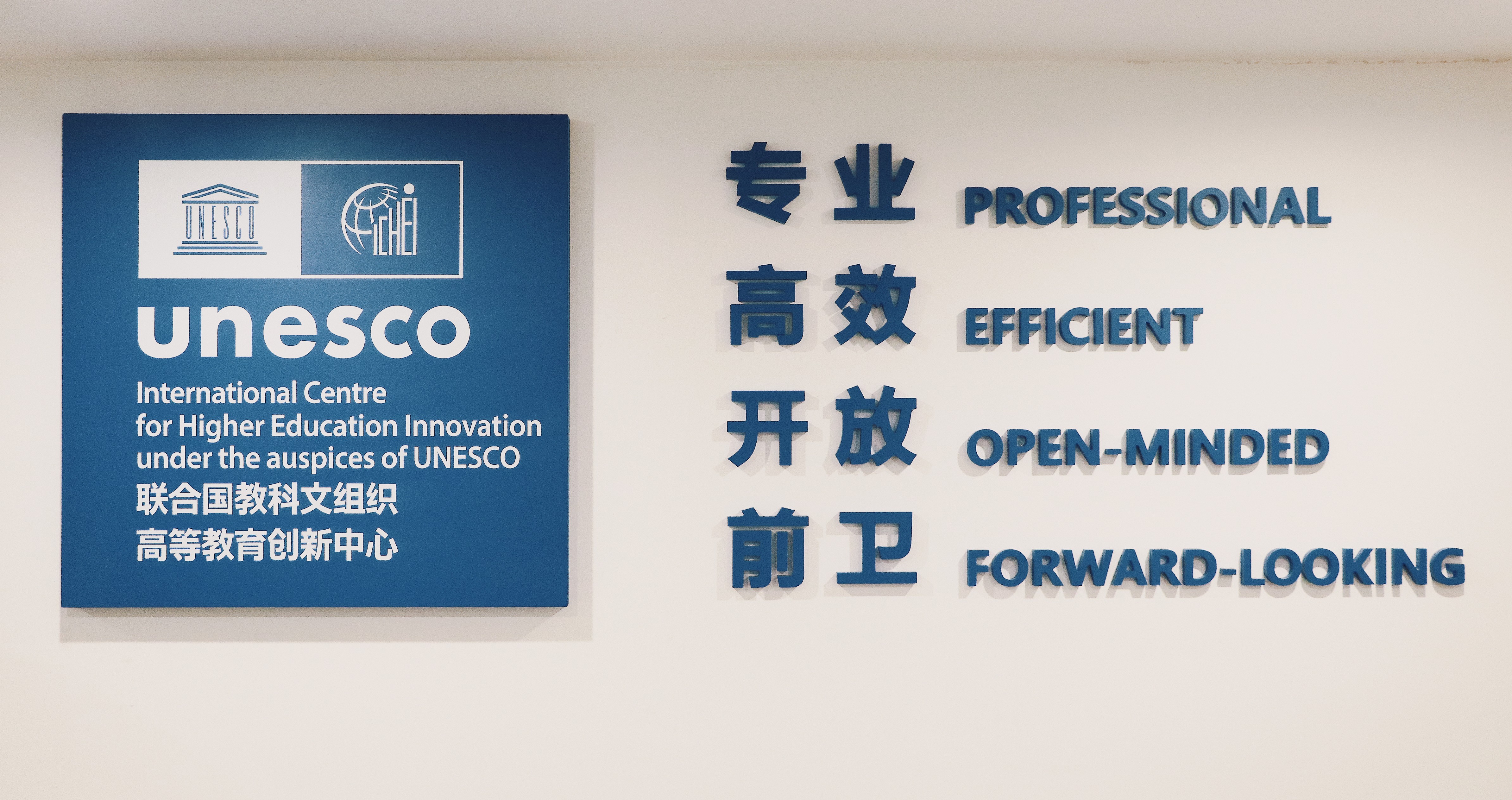 Professional Ethos of UNESCO-ICHEI: PROFESSIONAL, EFFICIENT, OPEN-MINDED, FORWARD-LOOKING